
Safari & Wildlife
Commonly Seen Safari Animals in Tanzania and Where to Look
November 1, 2026 · By World Compass Adventures
In this article
Learn how grasslands, woodland and water shape your chances of seeing Tanzania's familiar safari animals.
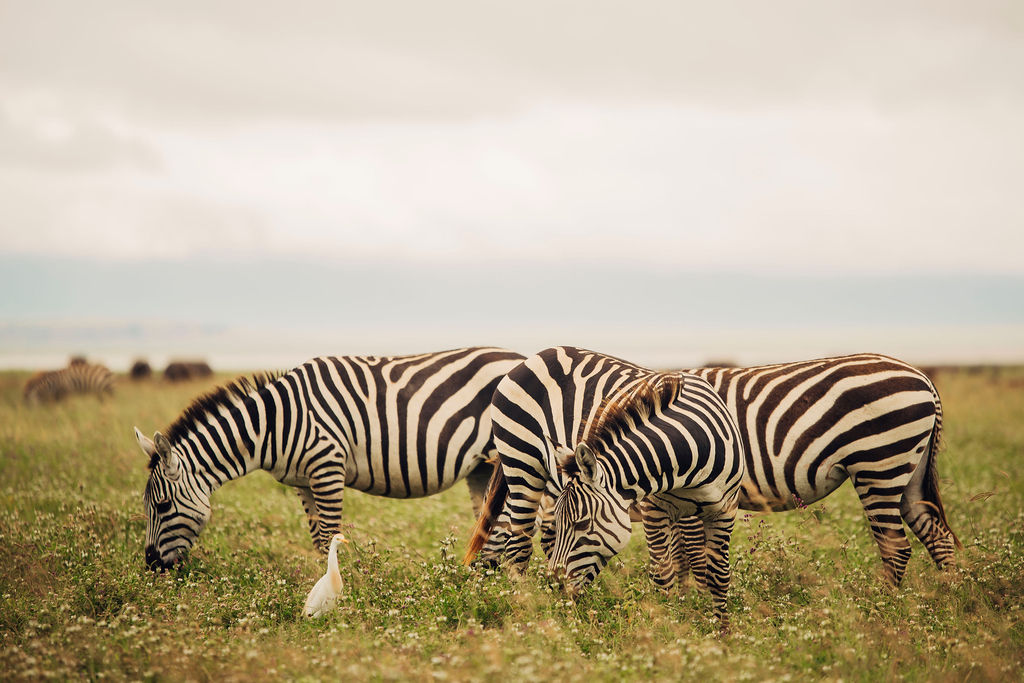
Wildebeest, zebras, gazelles, buffaloes and giraffes are among the familiar animals visitors may encounter on a Tanzania safari. There is no universal ranking of the most-seen species: your route, season, habitat and time spent watching all influence what appears.
Search open country for grazing herds
Serengeti's grasslands are an important setting for wildebeest, zebras and gazelles. Migratory herds shift with feeding conditions, so a location crowded with animals during one visit may look very different later. Ngorongoro Crater also supports grazing mammals, including buffaloes, wildebeest and zebras. Scan beyond the nearest herd: different species often use the same landscape in different ways.
Look closely at woodland and water
Giraffes feed on woody vegetation rather than grazing like zebras, making suitable woodland edges worth watching. Arusha National Park offers opportunities to look for giraffes, buffaloes, waterbucks and warthogs. Do not expect every animal everywhere: giraffes, for example, are not a normal feature of the Ngorongoro Crater floor.
Rivers, pools and wetlands add another set of possibilities, including hippos and waterbirds where habitat is suitable. In Serengeti, riverine vegetation and rocky outcrops also deserve attention when searching for predators. Lions and leopards can remain difficult to distinguish from surrounding shade, grass or branches, even when relatively close.
Become a more attentive wildlife watcher
Ask your guide to explain habitat clues rather than simply naming species. Feeding height, tracks, calls and the reactions of nearby animals can make an ordinary stop absorbing. Binoculars are useful for everyone, not only birdwatchers, and help you observe without asking the driver to move closer.
- Scan grassland for grazers and movement along the horizon.
- Check woodland edges for browsing animals.
- Watch water from an approved viewing position.
- Record habitat and behaviour alongside species names.
Sources: Serengeti habitats, Arusha National Park and Ngorongoro wildlife information. Build habitat variety into your safari itinerary.
START PLANNING
Plan your journey with us
KEEP READING
Related Articles
 Safari & Wildlife
Best Time to Visit the Serengeti: Plan Around Your Interests
Choose Serengeti dates around your wildlife interests, then match accommodation locations to the season without expecting guaranteed migration encounters.
 Safari & Wildlife
Birds of Tanzania: Planning a Rewarding Birdwatching Safari
Build a Tanzania birdwatching trip around varied habitats, patient observation and responsible guiding rather than a promised species total.
 Safari & Wildlife
What to Wear on a Tanzania Safari
Pack adaptable layers, comfortable footwear and practical sun protection rather than a specialist safari wardrobe.