
Safari & Wildlife
Best Time to Visit the Serengeti: Plan Around Your Interests
November 2, 2026 · By World Compass Adventures
In this article
Choose Serengeti dates around your wildlife interests, then match accommodation locations to the season without expecting guaranteed migration encounters.
The best time to visit the Serengeti depends on what you want to observe, not simply which month has the driest weather. Tanzania National Parks identifies January and February with calving and warns that migration movements are unpredictable. Start with your wildlife interests, then choose dates and accommodation locations that support them.
Distinguish calving from migration predictions
January and February provide a useful planning window for travellers interested in calving. That seasonal association is not a promise that a particular birth, predator encounter or concentration of animals will be visible during your stay. Wildlife experiences depend on where animals are and what happens on the day.
Migration itineraries need the same caution. Avoid treating maps with month-by-month arrows as fixed schedules. Ask why a proposed camp suits your dates, what alternatives exist if herds move differently, and how much driving the plan involves.
Consider weather and location together
Tanzania National Parks describes June to October as the dry season, November to December as the short rains, and March to May as the long rains. These broad patterns help frame a Serengeti visit, but they cannot establish daily conditions or guarantee an animal concentration.
Read the geographical detail of your itinerary carefully. A booking described only as Serengeti accommodation gives too little information to judge the plan. Request the camp name, its location for your travel dates, and the intended arrival and departure airstrips or road transfers.
Build a flexible wildlife itinerary
- Choose a primary interest, such as calving or general wildlife observation.
- Ask how each accommodation location supports that interest.
- Allow time for observation rather than constant camp changes.
- Check the practical consequences of weather-related adjustments.
- Reject promises of guaranteed crossings or particular sightings.
A worthwhile Serengeti trip need not depend on one dramatic event. Leave room for quieter observations and changing conditions. When comparing proposals, favour a clear explanation of location and travel time over a confident prediction of precisely where wildlife will appear.
Sources: Tanzania National Parks: Serengeti; official seasonal planning guidance.
START PLANNING
Plan your journey with us
KEEP READING
Related Articles
 Safari & Wildlife
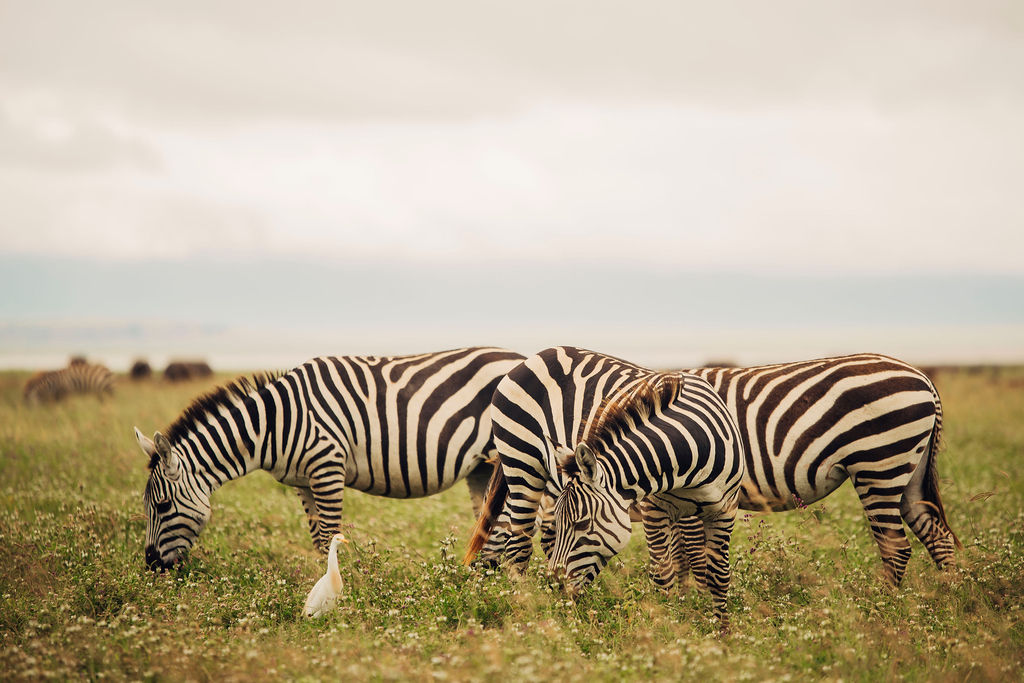
Commonly Seen Safari Animals in Tanzania and Where to Look
Learn how grasslands, woodland and water shape your chances of seeing Tanzania's familiar safari animals.
 Safari & Wildlife
Birds of Tanzania: Planning a Rewarding Birdwatching Safari
Build a Tanzania birdwatching trip around varied habitats, patient observation and responsible guiding rather than a promised species total.
 Safari & Wildlife
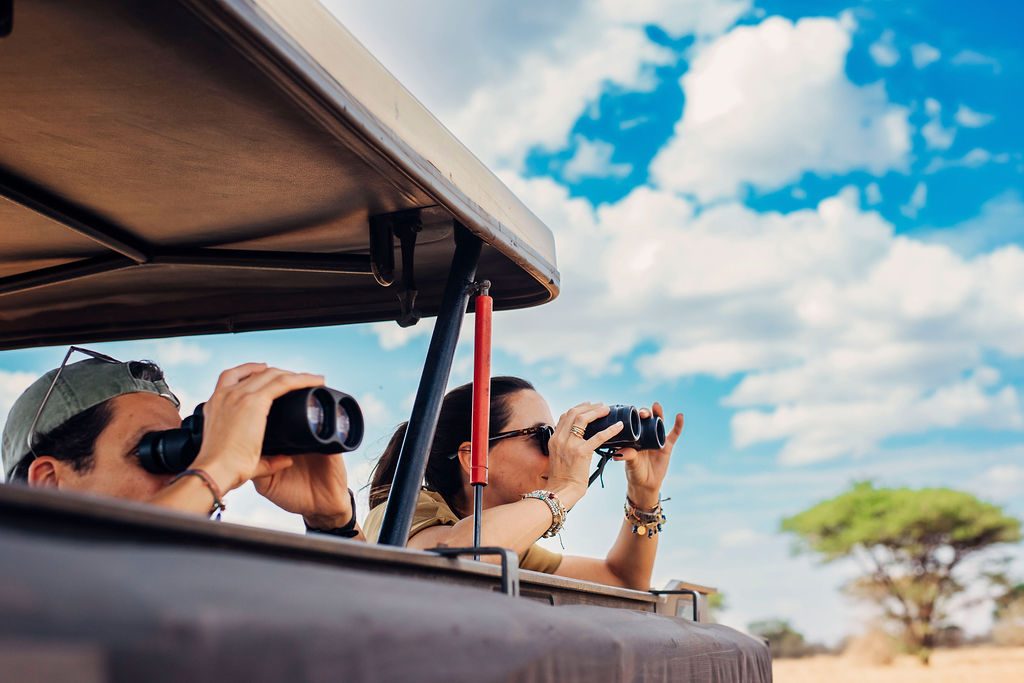
What to Wear on a Tanzania Safari
Pack adaptable layers, comfortable footwear and practical sun protection rather than a specialist safari wardrobe.