
Kilimanjaro & Hiking
How Difficult Is Climbing Kilimanjaro?
November 1, 2026 · By World Compass Adventures
In this article
Kilimanjaro's challenge comes from altitude, repeated walking days, cold and fatigue—not simply technical terrain.
Climbing Kilimanjaro is a demanding high-altitude trek, even though its standard trekking routes do not normally require technical mountaineering. Reaching Uhuru Peak at 5,895 metres involves sustained walking, limited recovery and exposure to cold. Fitness helps with the workload, but it cannot guarantee successful acclimatization or a summit.
Altitude changes the challenge
As elevation increases, lower oxygen availability makes familiar effort feel harder. Sleep and appetite may also deteriorate, reducing your ability to recover between walking days. The CDC identifies headache, tiredness, nausea and loss of appetite among symptoms of acute mountain sickness. These symptoms require attention rather than being dismissed as ordinary trekking discomfort.
TANAPA advises choosing an itinerary with acclimatization days and reporting symptoms promptly to your guide. Examine the overnight elevations, not just the total trip length. More time can create opportunities for a more gradual ascent, but no route length removes altitude risk. Discuss personal medical concerns with a qualified clinician before booking.
The workload accumulates
Several consecutive days on uneven paths can expose weaknesses that a single long walk does not. Descents strain tired legs, while cold mornings and disrupted sleep affect concentration. Summit attempts commonly involve walking in darkness and then descending substantially. Ask for realistic daily walking estimates and understand how the itinerary changes if someone cannot continue.
- Practise consecutive hiking days rather than only isolated workouts.
- Train on hills and include controlled downhill walking.
- Test boots, layers and your daypack before departure.
- Compare overnight elevations and acclimatization opportunities.
- Ask about symptom reporting, turnaround decisions and evacuation arrangements.
Judge readiness beyond enthusiasm
You do not need to be a competitive athlete, but you should be comfortable with long walks and uncertain conditions. Equally important is accepting a slower pace and the possibility of turning back. A responsible objective is to return safely after a well-managed trek, whether or not the summit is reached.
Sources: TANAPA visitor guide and CDC altitude guidance. Read more about Mount Kilimanjaro.
START PLANNING
Plan your journey with us
KEEP READING
Related Articles
 Travel Planning
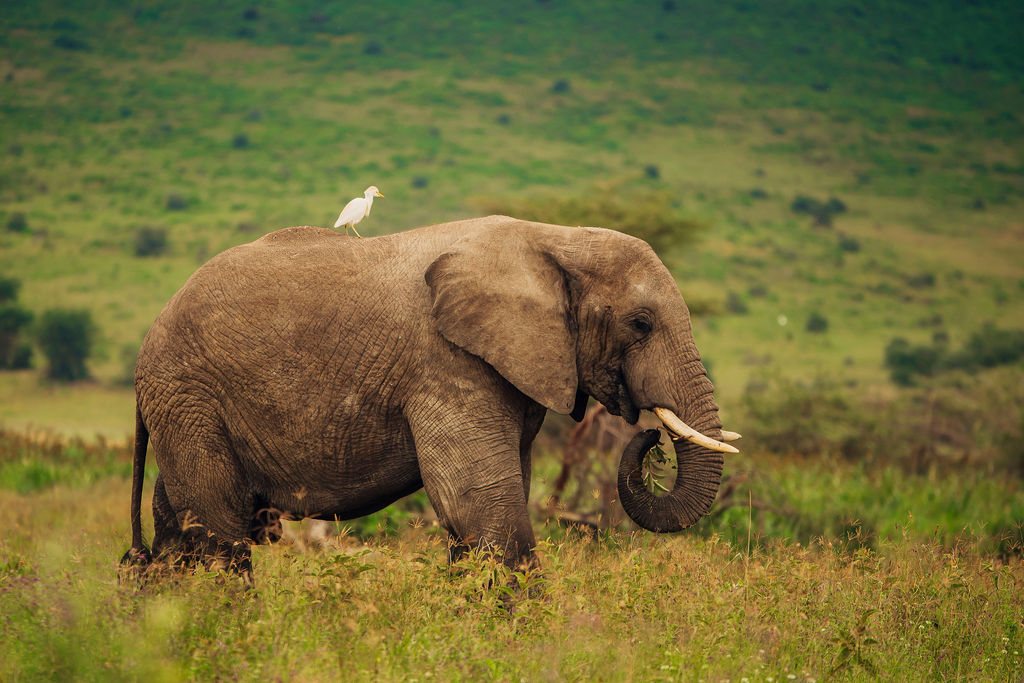
Best Time to Visit Tanzania: Match the Season to Your Trip
June to October is a useful starting point for safari planning, but the best dates depend on your destinations and priorities.
 Safari & Wildlife
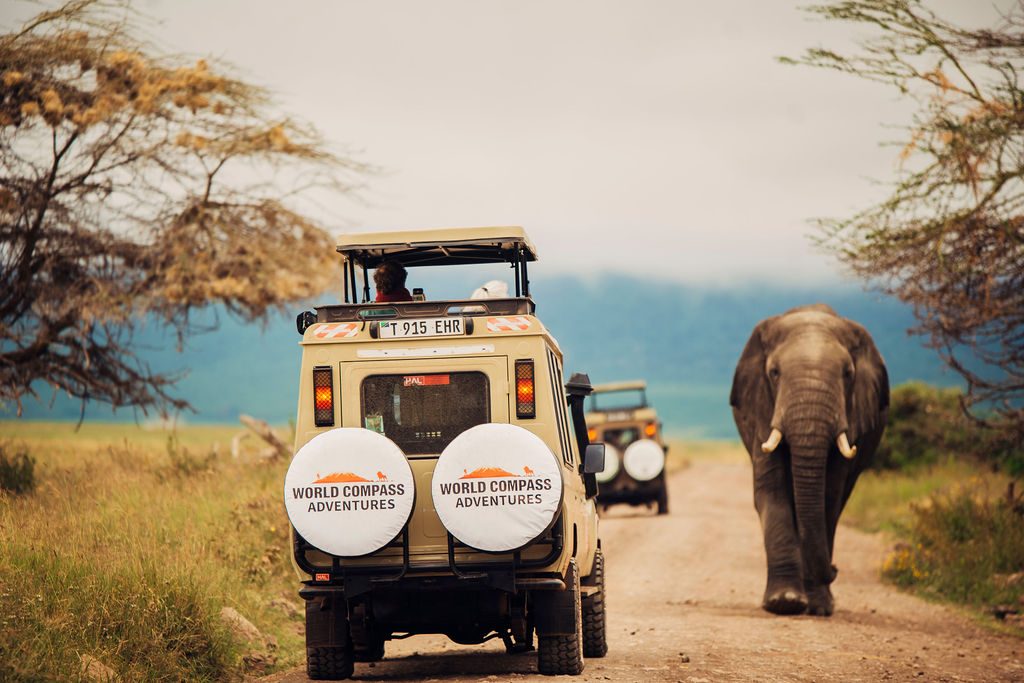
Best Time to Visit the Serengeti: Plan Around Your Interests
Choose Serengeti dates around your wildlife interests, then match accommodation locations to the season without expecting guaranteed migration encounters.
 Travel Planning
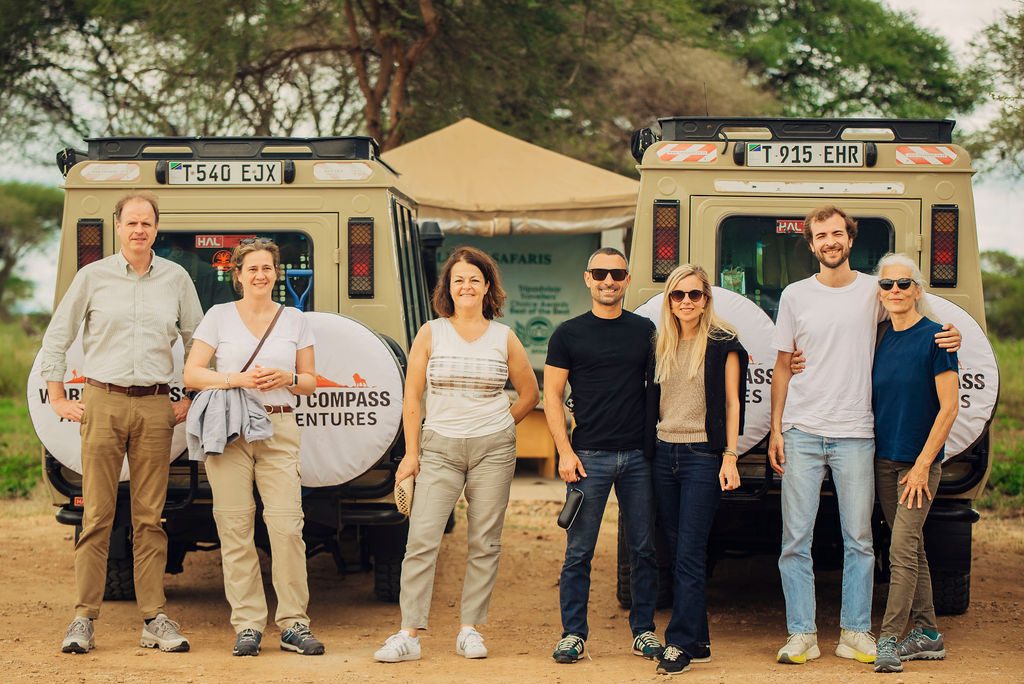
How to Plan Your First Safari Vacation in Tanzania
Plan a first safari by setting priorities, choosing a manageable route and checking the details behind each quotation.