
Culture & Responsible Travel
How to Say Hello in Swahili
November 2, 2026 · By World Compass Adventures

In this article
Learn everyday Kiswahili greetings, suitable replies and the etiquette behind a friendly introduction.
Habari? is a useful way to greet someone in Kiswahili, with nzuri a common reply meaning good. You will also hear jambo in visitor settings and mambo in informal conversation. Choosing a greeting is less about finding one perfect translation of hello and more about recognising the situation and responding politely.
Start with a greeting and its reply
Learn greetings in pairs so you can continue the exchange when someone answers. Habari? broadly asks about the news or how things are. Mambo? is more casual, and poa is a familiar reply. Jambo is widely understood and often addressed to visitors, although everyday conversations include many other forms. You do not need to use every variation immediately.
Match your words to the encounter
Shikamoo is a respectful greeting used towards an older person, with marahaba as the response. Its use depends on the relationship and setting, so ask a Kiswahili-speaking host when it would sound appropriate. Karibu means welcome rather than hello, although it often appears at the beginning of an interaction. Listen to what people say rather than treating every opening word as interchangeable.
- Habari? — a broadly useful greeting; answer nzuri.
- Mambo? — an informal greeting; poa is a common reply.
- Shikamoo — a respectful greeting to an older person; the reply is marahaba.
- Asante — thank you, useful after receiving help.
- Kwaheri — goodbye when leaving.
Give the conversation a little time
Before asking a question, buying something or requesting a photograph, pause for a greeting. Speak naturally rather than shouting or exaggerating an accent. Pronounce vowels clearly and listen for the rhythm of the reply; stress usually falls on the second-to-last syllable. If someone corrects you, treat it as an opportunity to learn. A brief, attentive exchange is better than reciting phrases while ignoring the answer. Greeting someone also does not replace asking permission before photographing them or their property.
Sources: The Arusha Project: Kiswahili greetings and responses; TATU Project: greeting etiquette and photography.
Explore itineraries with time for thoughtful local encounters.
START PLANNING
Plan your journey with us
KEEP READING
Related Articles
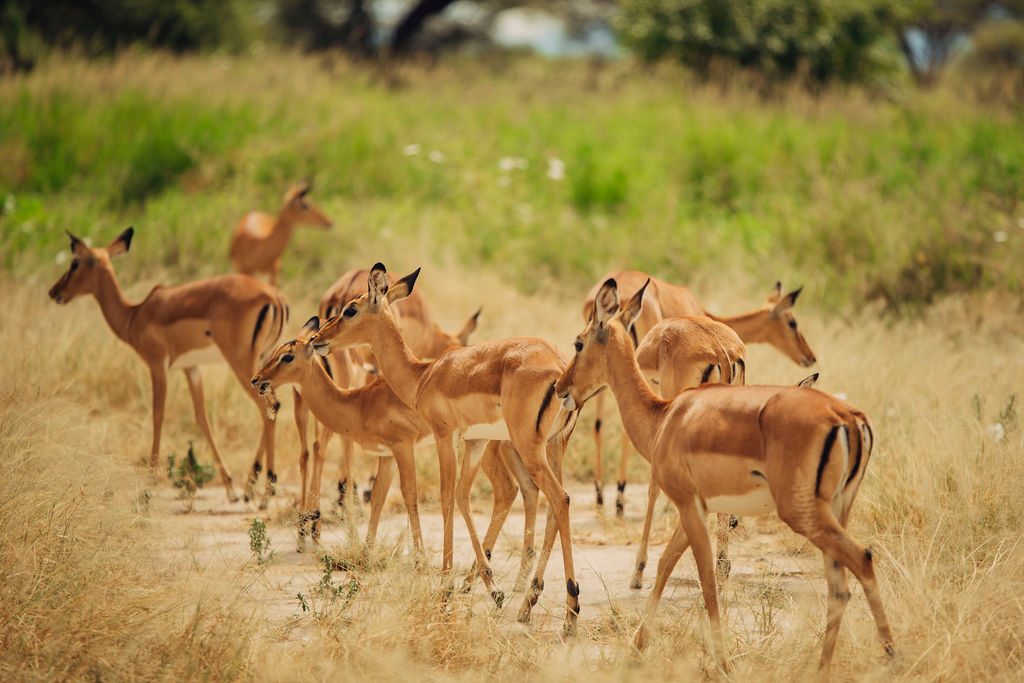 Culture & Responsible Travel
Clothing in Tanzania: Tradition, Culture and Contemporary Fashion
Understand Tanzania's varied clothing traditions and choose respectful, comfortable outfits for different settings.
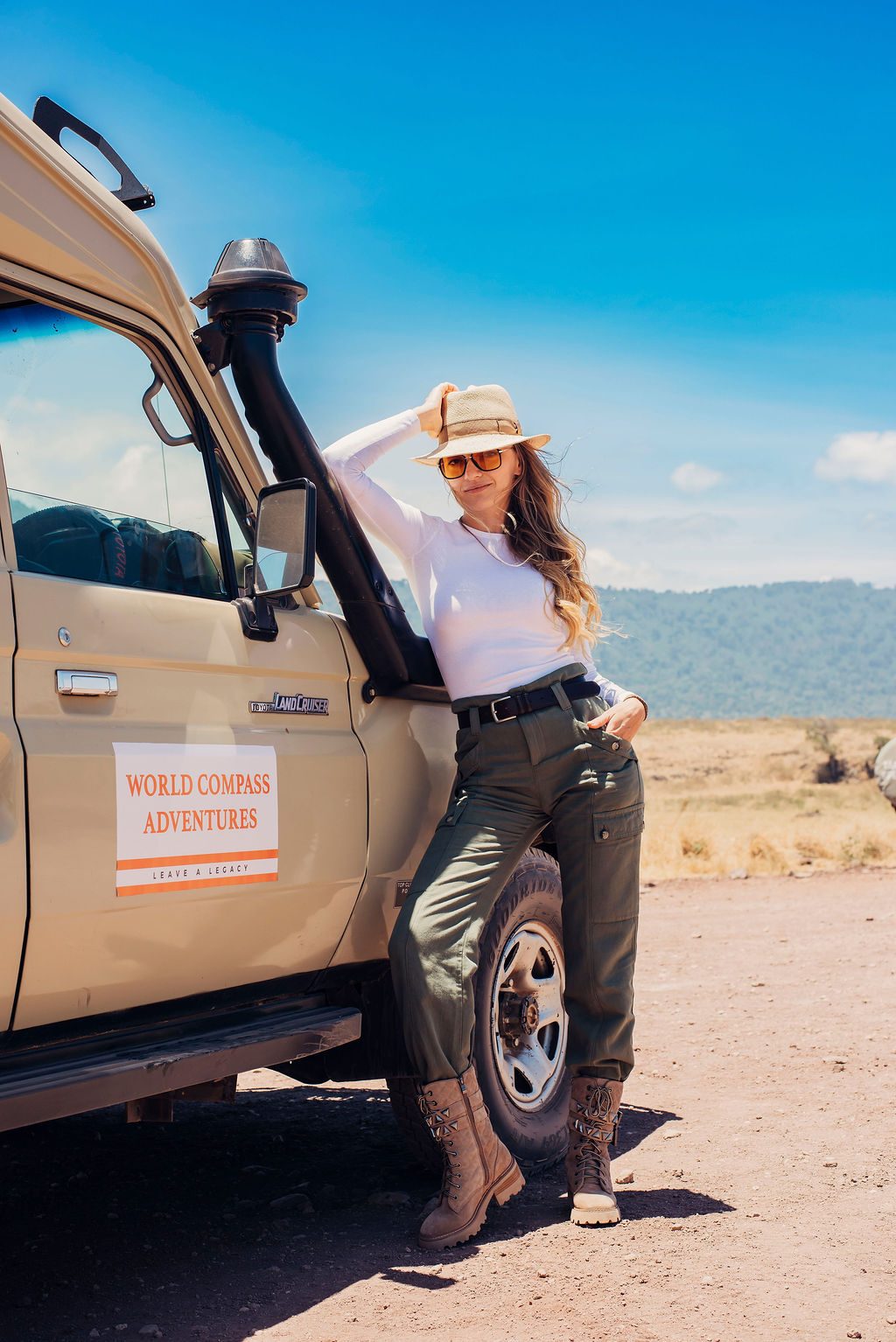 Culture & Responsible Travel
Language in Tanzania: What Travellers Need to Know
How Kiswahili, English and a few thoughtful communication habits can help you navigate a Tanzania trip.
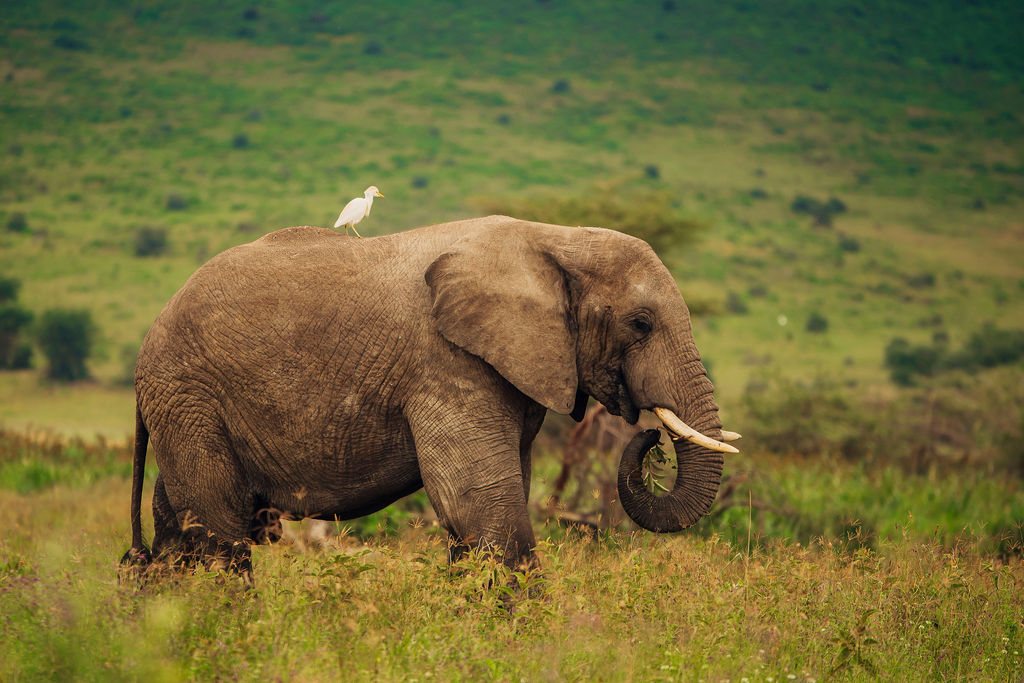 Travel Planning
Best Time to Visit Tanzania: Match the Season to Your Trip
June to October is a useful starting point for safari planning, but the best dates depend on your destinations and priorities.